We envision a Ukraine where every child grows with agency, fulfils their potential and has the power to make responsible choices about their own path. As adults, they consciously choose Ukraine as the place where they live, contribute and realise their potential—and become co-creators of its future.

Ukrainian civil society organisation · Kyiv
Helping children in Ukraine grow with agency and the power to choose
We turn front-line experience into scalable educational and safeguarding programmes for children, families, schools and communities.

01 / Mission and vision
Our direction
We build environments where children become authors of their own pathways—and co-creators of Ukraine’s future.
We create and scale educational and social models that help children discover and develop their agency, build inner stability, and gain practical experience of responsible choice and action. We work with adults and institutions so that the environments around children recognise their voice, protect their initiative, and support their individual development pathways. We transfer tested solutions to schools, communities and partner organisations so that systemic change reaches more children.

The Place of Happy Kids grew from direct work with children and families. We now convert that practice into programmes, methodologies, learning products and partnerships that can be used beyond one room or one event.
Our unit of change is the child’s ecosystem: family, education, community, culture and the adults who make safety and development real.
Values
What guides our choices and the way we work
Agency
Children have a voice, choices and the right to influence their own lives.
Dignity and safety
Respect for the child and their boundaries underpins every action we take.
Freedom and responsibility
We help children make independent choices, act on them and take responsibility for the consequences.
Individual development pathway
We do not force children to fit the system; we shape conditions in which their potential can unfold.
Partnership
We bring children, families, educators and communities together around shared solutions.
Belonging to Ukraine
We nurture connection to Ukraine and the desire to help shape its future.
A conversation behind the workWhat today’s children truly need — and what education must rethinkWatch the interview
Katerina Strii and Olesya Tsymbal discuss children’s needs, learning differences, parental priorities during wartime and the changes education requires. Interview in Ukrainian.
02 / Where support creates leverage
We invest in the child and in the system around the child
A single activity rarely changes a life. Durable impact requires access, capable adults, supportive institutions and a model that learns before it scales.
01
Access for children
Fund participation for children and adolescents who would otherwise be excluded from developmental programmes.
02
Trusted adults
Equip parents, educators, mentors and volunteers to recognise risk, protect boundaries and respond safely.
03
School and community pilots
Test structured programmes in real learning environments and build local ownership from the first cycle.
04
Methodology and scale
Strengthen facilitator training, quality assurance, adaptation and learning so effective models can travel.
03 / Programmes and initiatives
Two routes towards one outcome: children with agency and protection
We strengthen both the child’s inner capacity and the ability of adults and institutions to create safe, enabling environments.
Initiative for children and adults01
PORUCH · Trusted Adult
Every child needs at least one adult they can trust.
We equip parents and practitioners, create age-appropriate tools for children, and help organisations implement safeguarding and clear response and referral pathways.
- practical knowledge and tools for adults;
- boundaries, risk and help-seeking for children;
- safeguarding systems for schools and organisations.

Flagship programme for adolescents02
Light Your Star
From self-understanding and inner stability to responsible choice, action and leadership.
Find your starLight your starShare the light
Discuss partnershipHow we scalePilot → prepare a local team → transfer the model
The programme can run in a school, community, youth space or partner organisation, with methodology, training, mentoring and quality support.
Discuss a pilot03 / Initiative
PORUCH · Trusted Adult
Every child needs at least one adult they can trust
A trusted adult is not a perfect adult. It is someone around whom a child does not need to protect themselves.
The child can bring a mistake, fear, shame or a difficult question. The adult listens without humiliation or blame, notices danger, respects boundaries and knows when and where to refer for help.
What children should know
- who they can approach for help;
- how to recognise a boundary violation;
- that unsafe situations can be spoken about;
- that they will be heard and not blamed;
- that a reliable adult is available.
Who we equip
They do not need to become psychologists. They need practical knowledge, clear boundaries, risk indicators and a response and referral pathway.
What funding enables
From good intentions to competent, accountable action
Prepare adults
Training and practical tools for parents, educators and other professionals.
Strengthen children
Age-appropriate sessions and materials on boundaries, risk and help-seeking.
Build safeguarding systems
Policies, reporting and referral pathways, implementation support and networks of practice.
Our goal
A child’s safety should not depend on a chance encounter with a good person
It should be secured by knowledge, rules and adult accountability.
A child should not have to navigate a dangerous situation alone.Discuss the initiativefrom self-knowledgeto responsible action
04 / Flagship programme
Adolescents · “Light Your Star”
Agency, resilience and values-based leadership
A structured journey from inner stability and self-understanding to the ability to act, cooperate and contribute to one’s community.
The adolescent is not a passive recipient. Participants identify their strengths and values, practise boundaries and responsibility, and turn reflection into a small real-world initiative.
01
Find your star
Dignity, values, boundaries and strengths.
02
Light your star
Resilience, agency, discipline and responsibility.
03
Share the light
Cooperation, initiative, leadership and contribution.
The methodology combines meaning-making, non-formal and values-based education, developmental psychology and neuropedagogy. It can be piloted in a school, community, youth space or partner organisation.
Discuss a funded pilot05 / Delivery and scale
A pilot is designed to leave capability behind
We do not deliver a one-off motivational event. We build a structured cycle that a school or community can understand, own and improve.
Pilot and learn
Define the cohort and outcomes, prepare the team, deliver the first cycle, gather feedback and evidence, and decide what needs adaptation.
Prepare for responsible scale
Adapt to context, train local facilitators, launch in several settings and maintain quality through mentoring, learning and shared standards.
Local partner contribution
- name a coordinator and participant group;
- provide time, space and family communication;
- connect the programme with everyday institutional life.
The Place of Happy Kids contribution
- implementation design and methodological materials;
- facilitator preparation and ongoing support;
- quality assurance, feedback and learning documentation.
04 / Practice ecosystem
Civil society access + child development practice
Practice informs programme design. Governance keeps funding clear.
The Place of Happy Kids builds public-benefit programmes and partnerships. The Brain Up Centre for Neuropedagogy contributes front-line insight into learning, behaviour and development needs. This creates a feedback loop between real family needs and system-level solutions.
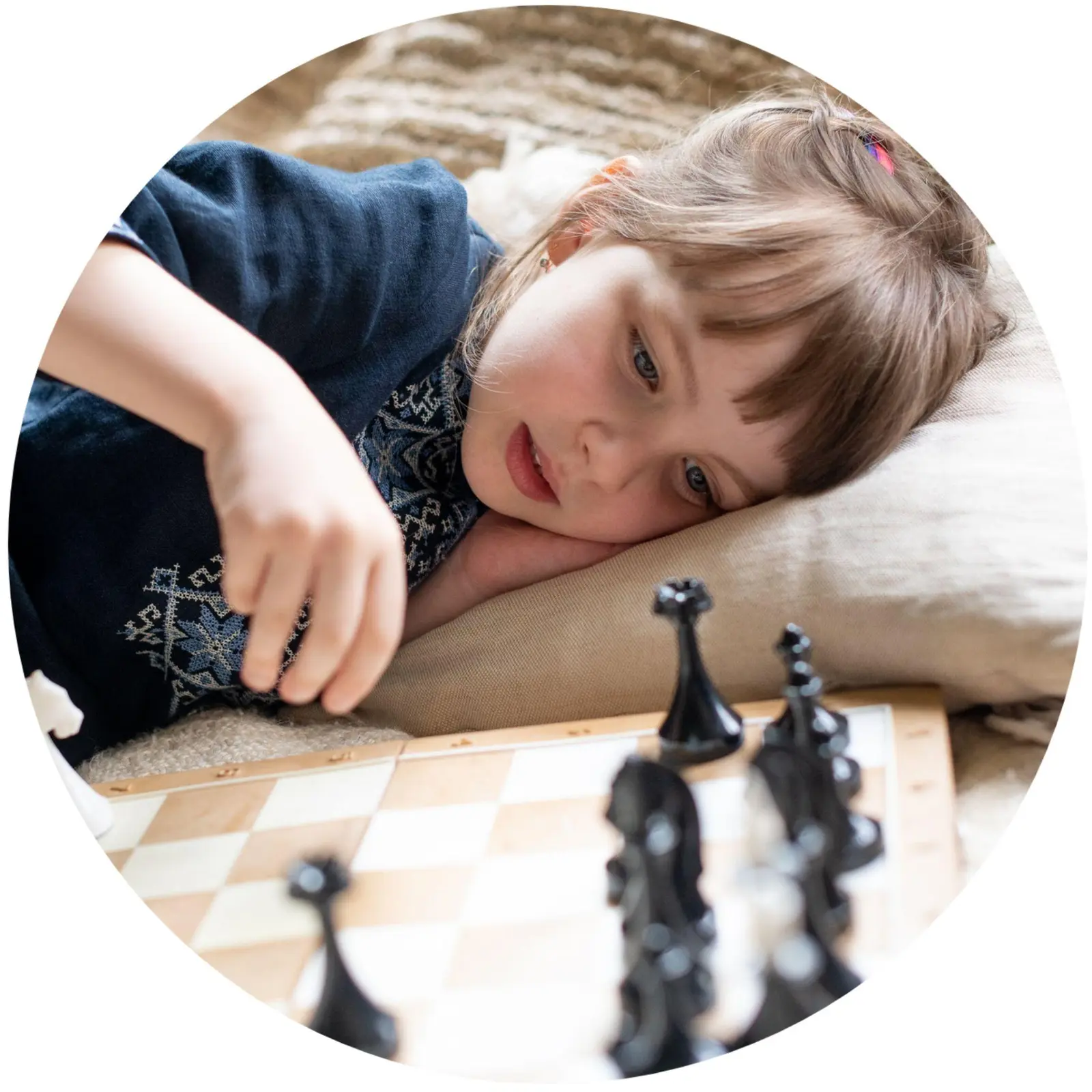
Shared logicFrom a child’s need to a solution that can work at scale
Practice partner · Brain Up Centre for Neuropedagogy
Two distinct roles within one child-centred ecosystem
Access and public benefit
- educational and social programmes;
- partnerships with schools, communities, donors and business;
- grant and charitable funding for children’s access.
Practice and individual pathways
- assessment of a child’s strengths and needs;
- individual and group developmental support;
- direct family support online and in person.
Family needsProgrammes and partnershipsAccess and learning
The NGO and Brain Up operate separate workstreams and funding. A charitable contribution to The Place of Happy Kids is not payment for Brain Up services. Individual assessment or corrective support is contracted directly with the centre.
Visit Brain Up05 / Strategic partnerships
Connecting research, practice and professional learning
Strategic partners strengthen the methodological foundation and the capacity of adults who work with children every day.
01
Research and methodology
02Institute of Gifted Child of the National Academy of Educational Sciences of Ukraine
Collaboration at the intersection of research, methodology and educational solutions for children’s potential.
Professional learning
Brain Academy
Training practitioners, transferring methods and scaling practices that improve adult support for children.
Founder
Olesya Tsymbal
Managing Director and Head of Strategic Development at the Brain Up Centre for Neuropedagogy. Parenting researcher, strategic consultant, grant architect and author of “Roots and Wings”.
Olesya founded The Place of Happy Kids to turn practical knowledge into system change in parenting and education. Her work connects programme design, partnerships, institutional development and the individual development trajectory of every child.
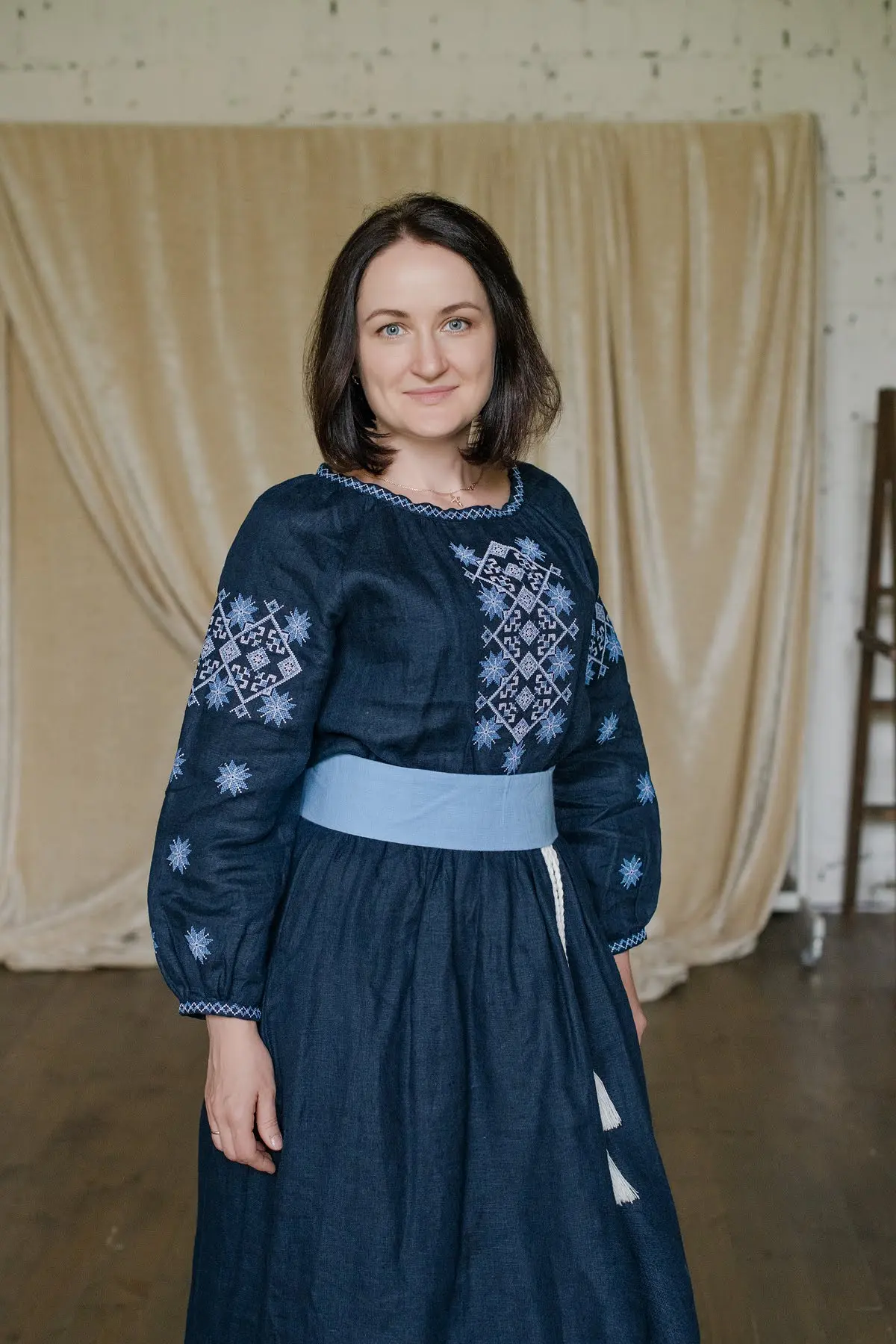
“
Our long-term goal is for Ukraine’s human capital to grow, unfold and find opportunity in Ukraine.
Olesya Tsymbal
06 / Organisational trajectory
From practice-based work to a grant-ready institution
We are an early-stage organisation with a clear growth path. We do not inflate scale; we make capacity, controls and learning visible.
Educational and psychological practice
Direct support for children and families established the practice base from which the organisation grew.
Civil society organisation registered
A legal platform was created for public-benefit programmes, partnerships and grant funding.
First institutional grant support
Initial funding from ISAR Ednannia validated the organisation’s direction and enabled further capacity building.
Child safeguarding
Data protection
Finance and procurement
Integrity and non-discrimination
07 / Governance and safeguarding
Governance · Safeguarding · Accountability
Donor readiness means controls that work beyond the application form
We are building policies to make programmes safer, decisions traceable and responsibilities clear to children, families, staff, partners and funders.
Full policies, approval records and implementation evidence are available during due diligence. Confidential registers, personal data and incident materials are not published.
Legal formUkrainian civil society organisation
Registered2025 · Kyiv, Ukraine
EDRPOU45967133
Funding statusFirst institutional grant received in 2026
10approved core policies
5enhanced policy drafts prepared for formal approval
9internal SOPs for practical implementation
Child safeguarding
Safeguarding and Child Protection policies, a bilingual Code of Conduct, reporting routes and response responsibilities.
PSEAH and safe reporting
Zero tolerance for sexual exploitation, abuse and harassment, with confidential reporting and a survivor-centred approach.
Finance and procurement
Segregation of duties, documented expenditure, budget control, competitive procurement and traceable decisions.
Integrity and whistleblowing
Anti-fraud and anti-corruption controls, conflict-of-interest declarations and protection for good-faith reporters.
Data protection
Data minimisation, lawful processing, access controls, retention rules, incident response and data-subject rights.
People and inclusion
Safer recruitment, team support, equal opportunity, accessibility, dignity and non-discrimination.
Risk and continuity
A living risk register, assigned owners, escalation routes, continuity planning and partner risk controls.
Accountability and MEAL
Community feedback, safe child participation, outcome indicators, learning loops and responsible partner management.
International reference frameworks
The standards informing our system
Reference to a framework indicates alignment work, not external certification.
For funders and partners
Request the due-diligence package
We can provide the policy register, approved documents, enhanced drafts and an implementation-evidence checklist.
08 / Partnership
Fund a credible next step, not a vague promise
We welcome collaboration with foundations, development agencies, businesses, schools, municipalities, universities and civil society partners.
01
Fund children’s access to a programme
02
Launch and evaluate a pilot in a school or community
03
Support the Trusted Adult safeguarding initiative
04
Invest in facilitator training, methodology and responsible scale
Tell us the outcome, geography or funding window you are working with.
Start a conversation09 / Funding
Your contribution becomes access, capability and evidence
Funding supports programme design and pilots, methodological materials, facilitator preparation, safeguarding implementation and participation for children who need financial support.
International funding
Grant documentation, budgets, banking confirmations and the full due-diligence package are available on request.
Organisation details / UAH transfer
- Recipient
- ГО “МІСЦЕ ЩАСЛИВИХ ДІТЕЙ”
- Registration code
- 45967133
- Bank
- JSC UNIVERSAL BANK
- Bank code
- 322001
- IBAN
- UA403220010000026004700021658
- Payment reference
- Charitable contribution for the statutory activities of the organisation, without VAT
10 / Contact
Start with the outcome you want to make possible
For programme funding, pilots, technical partnership or due diligence, contact us directly.